
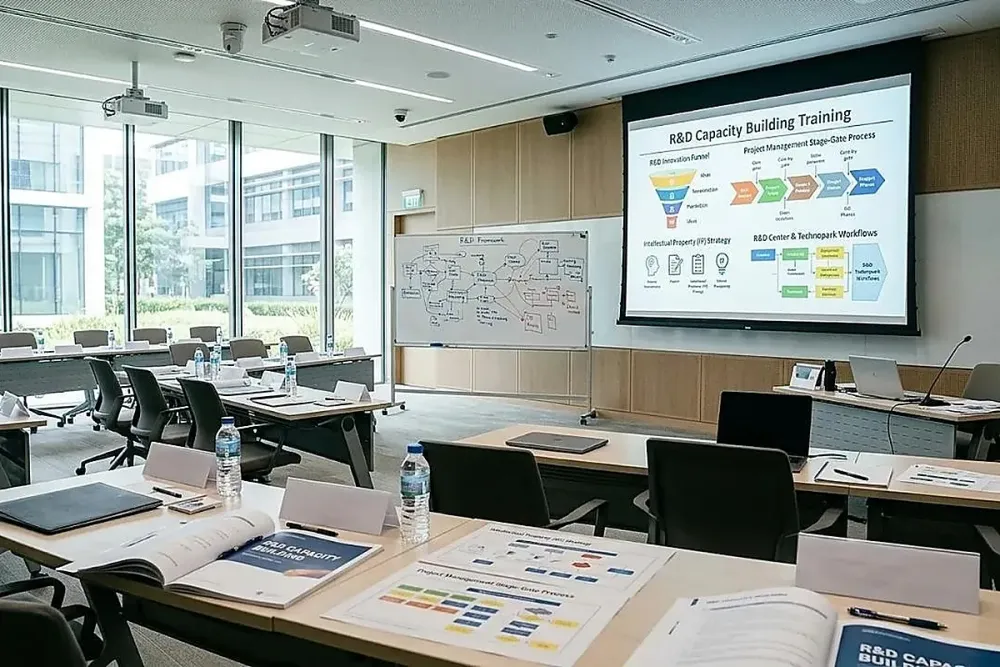
- Definitions, scopes, and interrelationships of the concepts of R&D, design, novelty, and innovation.
- Classification of research, development, and design activities, and examples of their application.
- Approaches to developing innovative products, processes, and technologies, and their impact on businesses’ competitive strength.
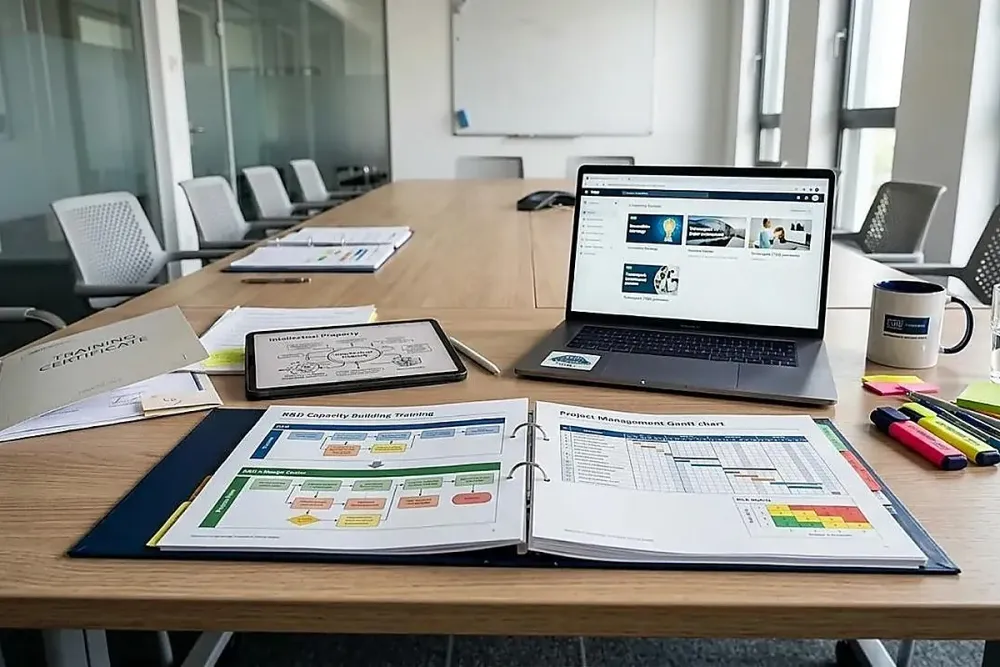
- The concept of a project, the project life cycle, and basic project management processes.
- Defining project objectives, creating work packages, and planning time and resources.
- Project execution, monitoring, risk management, and performance evaluation methods.
- The scope of intellectual and industrial property rights; the concepts of patents, utility models, trademarks, and designs.
- Protection of inventions; the basic stages of patent search and application processes.
- Management, licensing, and commercialization processes for intellectual property rights arising from R&D and design activities.
- Establishment requirements, legal regulations, and key obligations of R&D and design centers.
- Processes for planning, executing, reporting, and documenting R&D and design projects.
- Incentive and support mechanisms, performance indicators, and audit processes at R&D and design centers.
- The purpose of establishing technology development zones , their operations, and their role in the technology ecosystem.
- Application, project approval, monitoring, and reporting processes for companies operating in technology development zones.
- Incentives and benefits provided in technology development zones, university-industry collaboration, and technology commercialization processes.
Our Other Programs